 /
Newsroom / All News / State News / 2026
/
Newsroom / All News / State News / 2026
September 24, 2026
More than four in ten Virginia households did not have reliable access to enough safe, nutritious food between May 2025 and May 2026. More than a quarter faced very low food security, significantly impacting how much and how often they could eat. Those numbers are just a small sample of the sobering results of the 2026 Virginia Hunger Study, the first study of its kind in the Commonwealth.
It’s impossible to solve a problem we refuse to measure. That’s why our agency partnered with the Federation of Virginia Food Banks, Virginia Tech, No Kid Hungry Virginia and the National Opinion Research Center at the University of Chicago to provide this critical snapshot, which reflects responses from more than 5,600 Virginians.
We chose to know, and because we know, we can act.
When I look at the survey’s findings, I don’t simply see statistics. I see Virginia families. I see older Virginians stretching fixed incomes. I see working parents whose paychecks aren’t keeping pace with the cost of groceries. I see children whose health, development and ability to learn depend on whether there is enough food at home. Hunger reaches every corner of the Commonwealth. Food insecurity touches 55 percent of households in Southwest Virginia, and nearly one in three even in Northern Virginia, where rates are lowest. It reaches more than half of households with children, 63 percent of Black households and 53 percent of Hispanic households. And food-insecure Virginians are just as likely to be employed as anyone else. In one of the wealthiest nations in history, this is unacceptable.
The study also challenges our assumptions about who is receiving help. Only 27 percent of food-insecure households are enrolled in the Supplemental Nutrition Assistance Program (SNAP), and 31 percent receive no government benefits at all. Half of those not enrolled say their income level makes them ineligible. These are Virginians who earn too much to qualify but still not enough to eat, and it’s absolutely critical that our response reaches them, too.
On a national scale, recent federal changes make that work harder. H.R.1, also known as the One Big Beautiful Bill Act, narrowed SNAP eligibility, expanded work requirements and shifted significant new costs onto the Commonwealth. From June 2025 to June 2026, SNAP participation in Virginia declined by approximately 135,000 people. SNAP households say that if their benefits are cut, their first stop is a food pantry. Charitable food already offsets about $108 in groceries a month for those who receive it, but it cannot replace SNAP.
This study demands an urgent response. The families behind these numbers are deciding right now between groceries and medicine, between a full meal and a full tank of gas. They cannot wait for federal action, and neither can we.
Governor Spanberger recognizes this and is helping strengthen Virginia’s response to H.R.1 through Executive Order 20, Keep Virginia Covered. With her support, VDSS is working to keep every eligible Virginian enrolled in SNAP, minimize administrative barriers wherever federal law allows, and build public-private partnerships that bring the Commonwealth’s full civic and philanthropic capacity to bear.
Government alone cannot solve food insecurity. Neither can food banks, community action partners or private enterprises. We need to work together, because families don’t experience hunger according to program boundaries. A parent doesn’t have a SNAP problem one day and a school-meals problem the next. They have one problem: feeding their family.
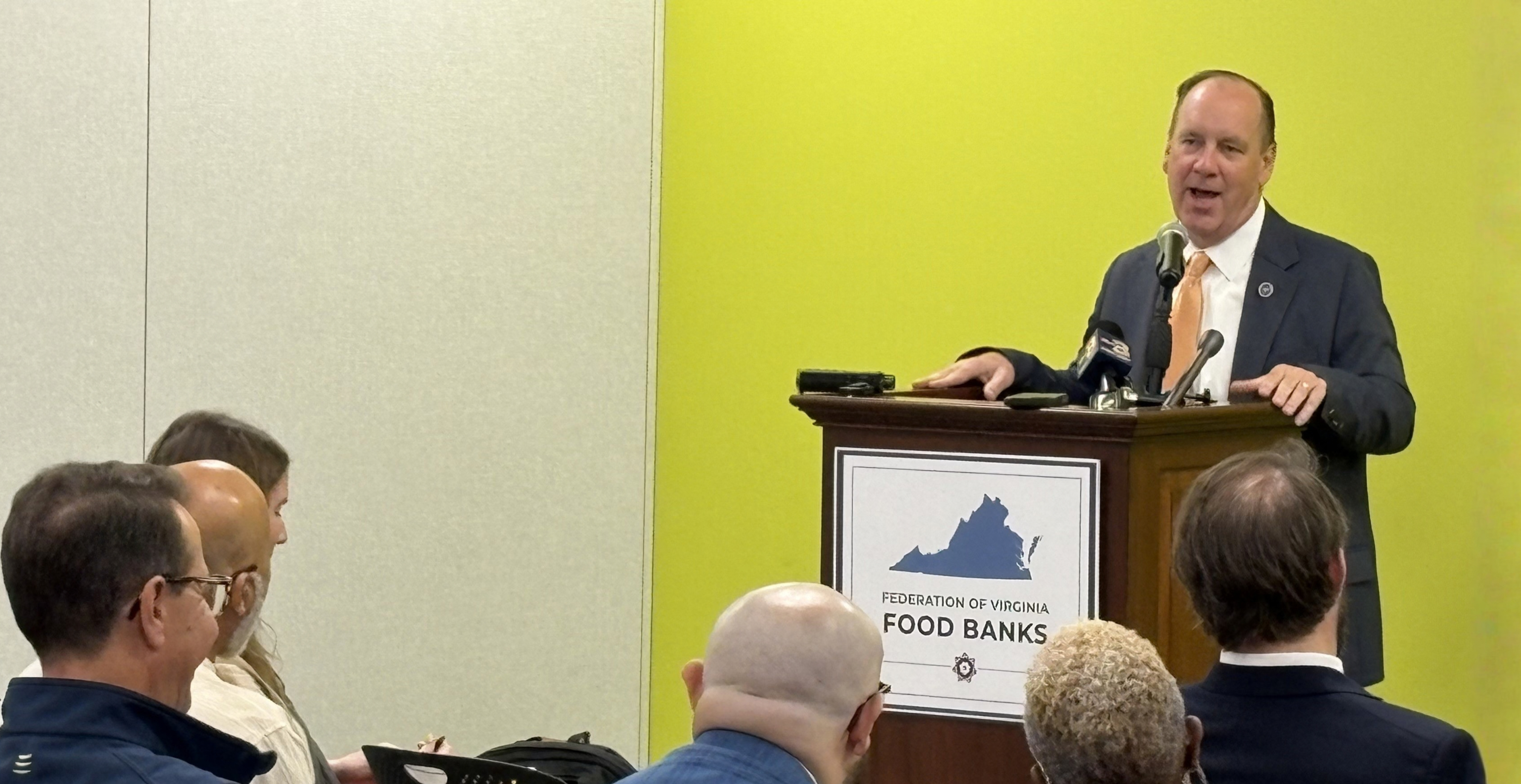
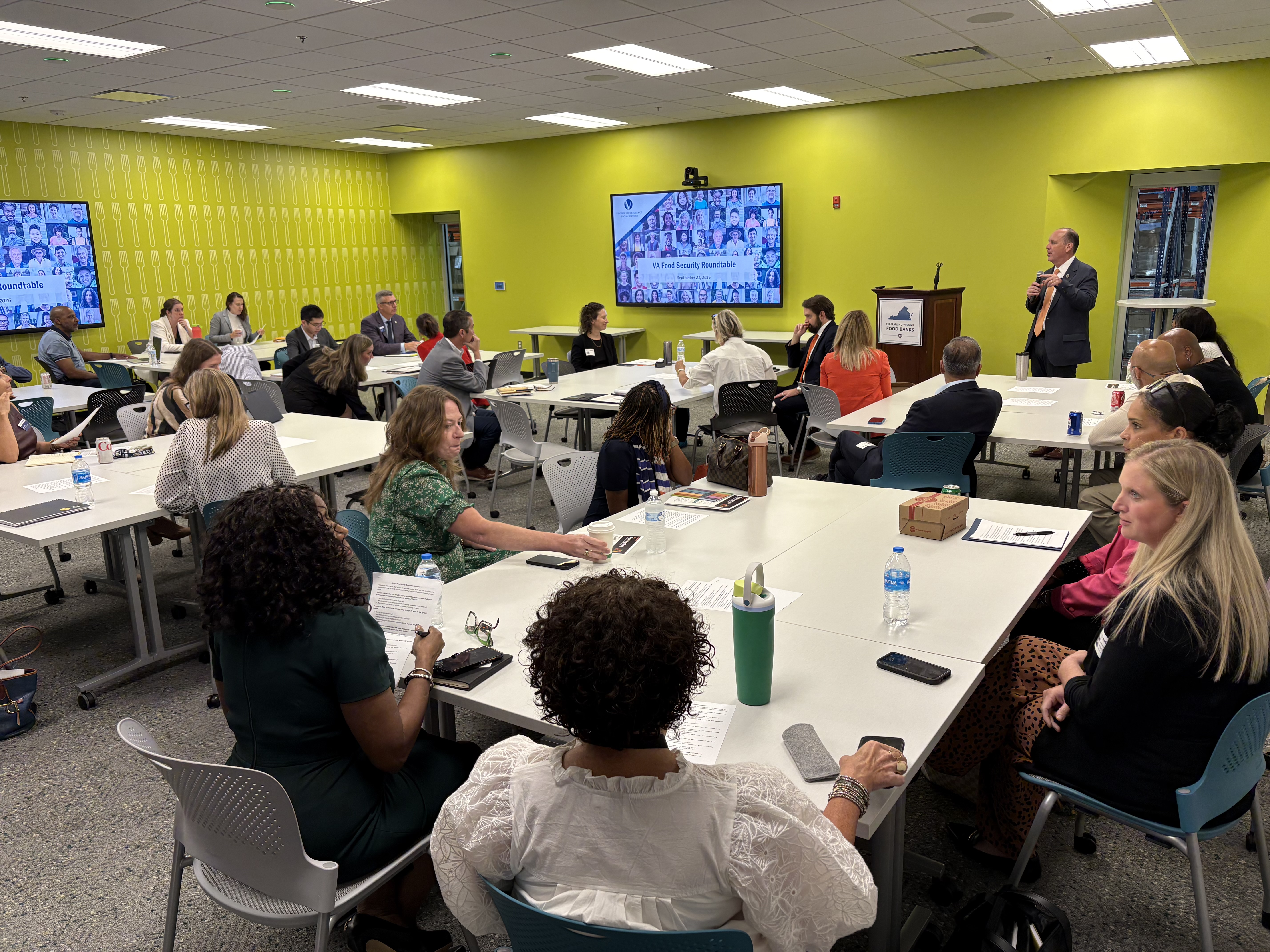
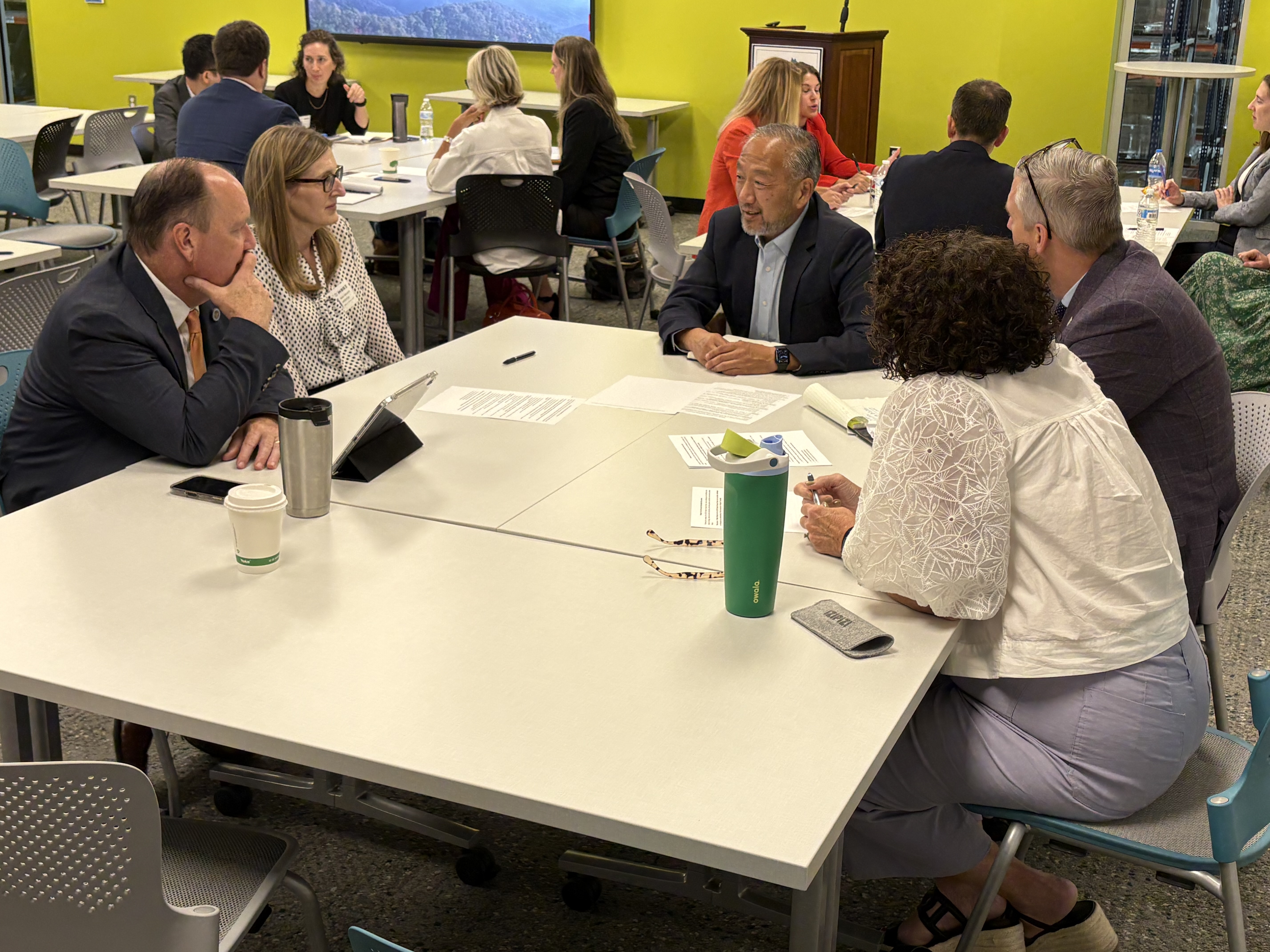
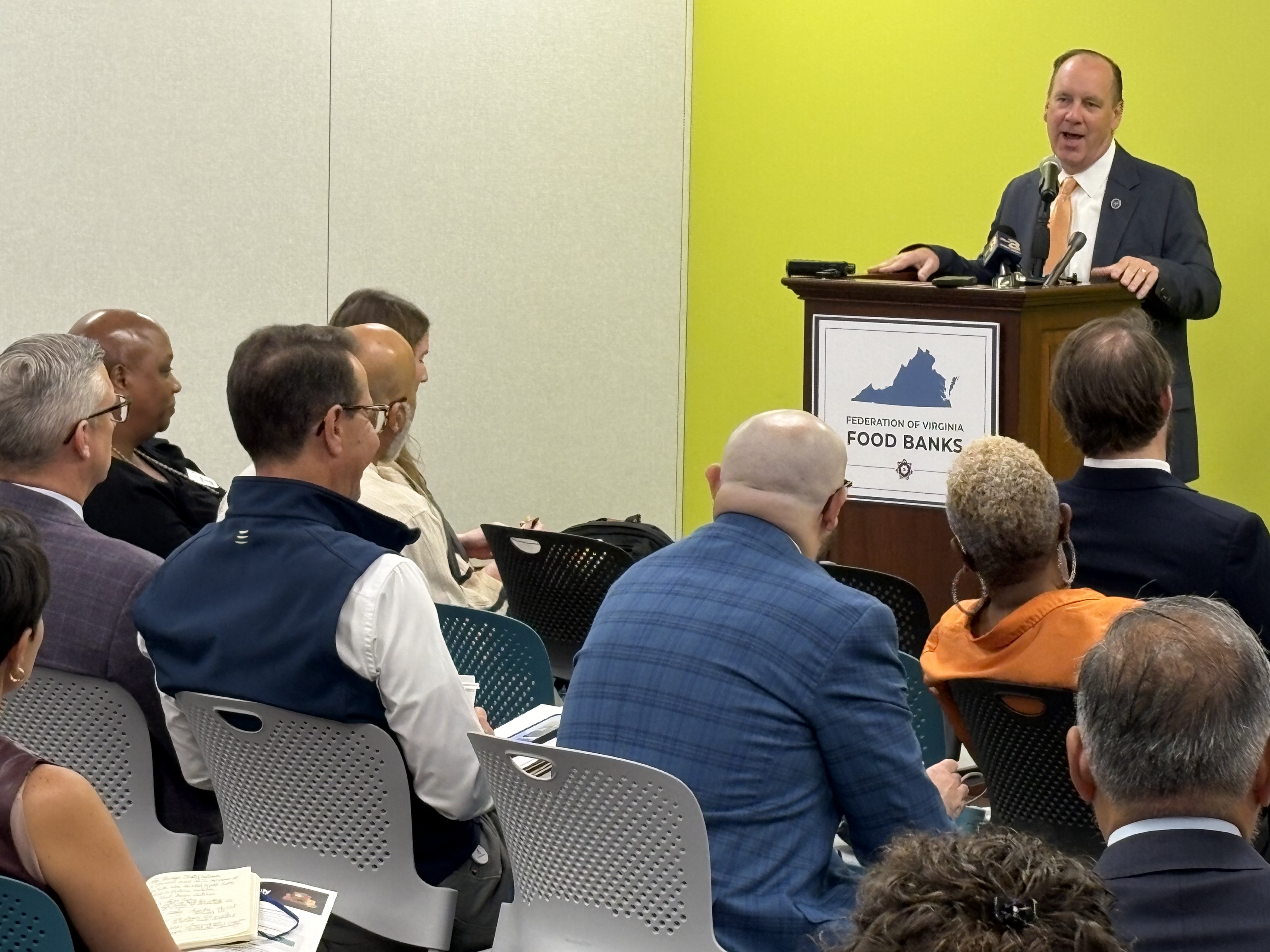
That is why, after the study’s release, we brought partners from across Virginia’s food security network together for a roundtable on food insecurity at Feed More in Richmond, Virginia. We gave them a clear charge: figure out what has to change, what we can do together and where better coordination will make the biggest difference. They dug into the gap between being eligible for help and actually getting it and pinpointed the barriers that keep people on the wrong side of it, from geography and transportation to language, culture, awareness and paperwork.
Partners called for making schools a bigger front door to food with universal school meals, a stronger SNAP presence in schools, and school-based jobs for SNAP participants. They proposed integrating food banks with local departments of social services, so help at one door connects to the other. They urged us to bring private-sector partners to the table. And they made the case for short-term relief now, to buy the time needed to build long-term solutions.
This conversation was a call to courage, compassion and coordinated action. Hunger is solvable, and Virginia is choosing to solve it. We have the data to see the problem clearly, partners ready to act and the resolve to work together. When we share what we know, we reach more families. When we connect our systems, fewer Virginians fall through the gaps. And when we commit to one another, we will end food insecurity in Virginia.





 Find my local department